Does a Small Business Still Need a Bookkeeper?
Software can handle more of the routine bookkeeping than it used to, but that doesn’t mean every business is better off going it alone. Here’s how to weigh the cost savings against the value of a human review.
5 min read

Bookkeeping software can now take on many tasks that once required a bookkeeper: collecting transaction data, organizing receipts, and helping keep financial records in order. For a small business with straightforward finances, that can make handling the books yourself a practical option.
But software doesn’t make every bookkeeping task automatic, and a bookkeeper’s job has never been only data entry. The right choice depends on how complex your business is, how comfortable you are reviewing the numbers, and what your time is worth.
What bookkeeping software can—and can’t—do
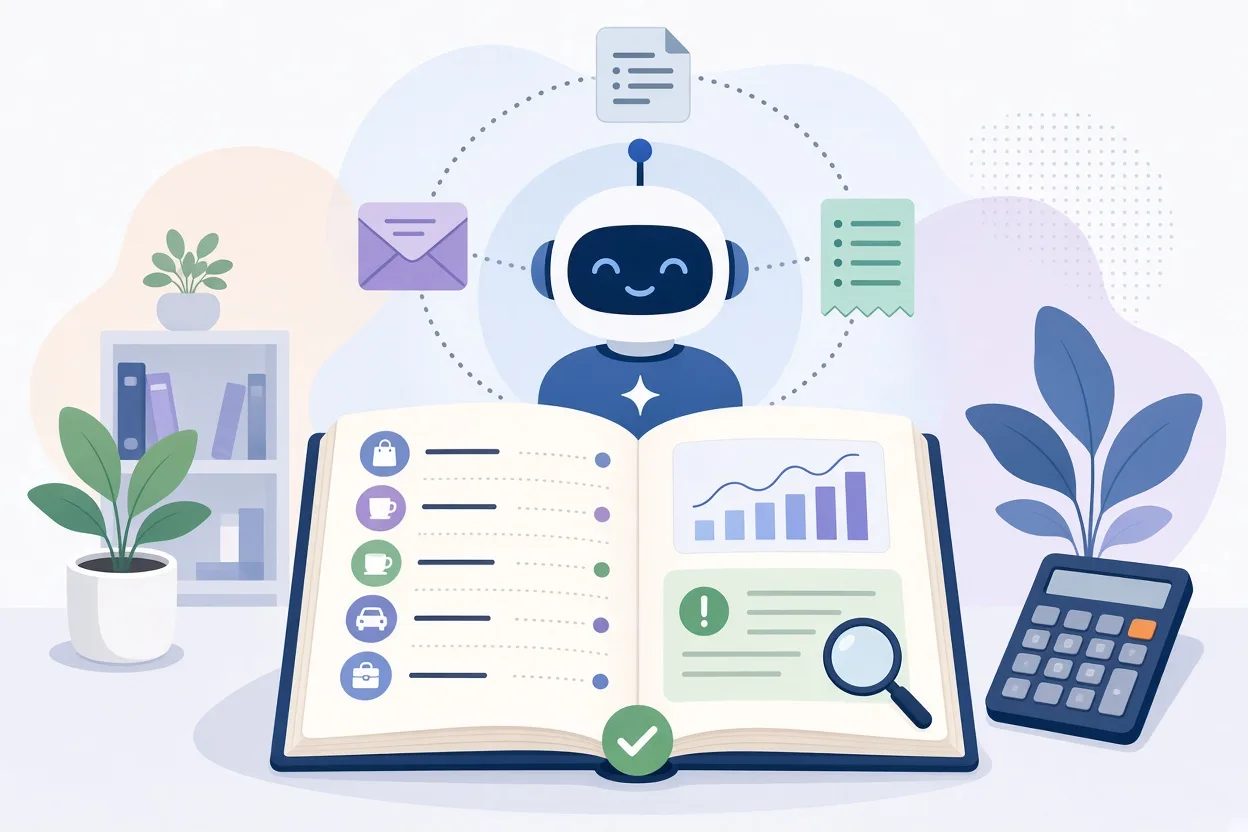
Bookkeeping software can reduce repetitive work by bringing financial information together and helping you organize it. Tools such as BookNerd may make it easier to keep records current and prepare your books for a CPA or tax preparer.
That can save time and money, especially when transactions are routine. But software still depends on accurate information and appropriate setup. It may not know whether a charge was personal or business-related, what a vague payment was for, or whether an unusual transaction needs special attention. A person still needs to review the records and follow up on anything that doesn’t make sense.
Bookkeeping is also different from tax preparation and accounting advice. Your books record what happened; a CPA or other qualified professional can help interpret the records and advise on tax or financial questions for your situation.
The case for doing it yourself
Managing your own books can be a good fit if your business is small and your finances are relatively simple. For example, a solo consultant with one business bank account, a handful of regular expenses, and a few clients may be able to keep up using software and a regular review routine.
Potential benefits include:
- Lower ongoing costs. You may spend less than you would on recurring bookkeeping help, though software and your own time still have a cost.
- A closer view of your finances. Regularly reviewing income and expenses can help you notice changes and make better-informed decisions.
- Control over timing. You can update records as transactions happen instead of waiting to send documents to someone else.
- Less administrative back-and-forth. Organized records can make it easier to share information with a CPA or tax preparer when you need help.
The trade-off is that you take responsibility for keeping the records accurate and up to date. If bookkeeping is something you put off, incomplete records can create stress later—even if the software itself is easy to use.
The case for hiring a bookkeeper
A bookkeeper can provide more than help entering transactions. They can review the records, ask questions about unfamiliar activity, and help make sure routine tasks are completed consistently. That human review can be useful when the business has more moving parts or the owner doesn’t have the time or confidence to manage the books.
A bookkeeper may be worth considering if:
- You have multiple accounts, payment platforms, locations, or revenue streams.
- You manage inventory, payroll, contractors, loans, or other transactions that take more explanation to record correctly.
- You’ve fallen behind or are unsure whether your existing records are reliable.
- You spend too much time on bookkeeping, or keep postponing it.
- You need regular financial reports and want someone to help you understand whether the records are complete.
The main downside is cost. You’ll also need to provide information, answer questions, and review the work. Hiring someone does not remove your responsibility to understand your business finances or to keep good records.
A practical comparison
| Approach | Often works well when | Main trade-off |
|---|---|---|
| Software and owner review | Transactions are straightforward and you can keep a regular routine | You’re responsible for setup, accuracy, and follow-up |
| Bookkeeper plus software | Transactions are more involved or you want another person to review the records | Higher cost and ongoing coordination |
| Bookkeeper for selected tasks | You can handle routine entries but need help catching up or preparing records for a CPA | You still need to manage the work that stays with you |
You don’t have to choose between doing everything yourself and handing everything over. Some owners use software for routine work and hire a bookkeeper periodically, during a catch-up, or when the business changes. The arrangement can evolve as the business grows.
Why larger businesses often need more support
A larger business is more likely to have higher transaction volume and more complex financial activity. Staff, inventory, several locations, larger vendor lists, and multiple payment systems can create more opportunities for mistakes and more work to review. At that scale, relying on software alone may leave too much oversight on the owner.
That doesn’t mean every larger business needs the same staffing setup. The right mix of software, in-house staff, and outside bookkeeping help depends on its operations. A CPA can also advise on the kind of accounting support that fits the business.
How to decide what’s right for you
Start with the work, not the job title. Ask yourself:
- Are my records current and understandable? If not, figure out whether you need a better routine, software, or help catching up.
- How complicated are my transactions? A few predictable income and expense types are different from inventory, payroll, loans, and several accounts.
- Can I make time to review the books regularly? Software is most helpful when someone checks its work and resolves questions.
- What is my time worth? Compare the cost of help with the time you could spend on customers, sales, or operations.
- What do I need from a professional? A bookkeeper can help maintain records; a CPA or tax professional may be needed for tax questions or broader accounting advice.
If you choose to handle the books yourself, set a recurring time to reconcile accounts, review unusual transactions, and keep receipts and supporting documents organized. If you hire a bookkeeper, clarify what they will handle, how often they’ll work, and what information they’ll need from you.
So, does a small business still need a bookkeeper?
Not always. A small business with simple finances, a reliable routine, and the confidence to review its records may be able to use bookkeeping software and bring in a professional when needed. The savings can be meaningful, particularly when the owner is prepared to do the review—not just rely on automatic categorization.
A bookkeeper can still be a valuable partner when transactions are complex, the books are behind, or the owner’s time is better spent elsewhere. For many businesses, the most practical answer is a mix: use software to reduce repetitive work, and get human help for review, unusual situations, and periods of growth. Bookkeeping tools can change how the work gets done; they don’t eliminate the need for accurate records or sound judgment.
Last updated October 25, 2026